

Short answer: Digital gold is a good option for buying gold conveniently in small amounts, with no storage hassle and real physical gold backing every purchase. It suits beginners and regular small savers well. However, a 3 percent GST, a buy-sell spread, and the fact that it is not directly regulated mean it is better for convenience and accumulation than for large, long-term, cost-sensitive investing, where gold ETFs are often cheaper.
Gold has always been part of how Indians save. Digital gold makes it easier than ever, but is it a smart investment? Here is a balanced view.
What makes digital gold appealing
Digital gold lets you buy 24-karat physical gold online in tiny fractions, stored in an insured vault by the provider. Its strengths are real:
- Extremely accessible. You can start with as little as 1 rupee, with no demat account needed. That makes it one of the easiest ways to begin owning gold.
- No storage worries. Your gold sits in an insured vault, so there is no locker to rent and no theft risk at home.
- Real, allocated gold. Every purchase is backed by an equivalent amount of physical 24-karat gold.
- Highly liquid. You can sell back to the provider at live prices anytime, or take physical delivery as coins or bars.
- A diversifier. Gold often moves differently from stocks, so a small allocation can add balance and act as a hedge during uncertain times.
The drawbacks you should weigh
Being honest about the costs is essential, because they affect your real returns:
- 3 percent GST on purchase. This one-time tax applies every time you buy and cannot be recovered when you sell, so you start a few percent behind.
- Buy-sell spread. The buying price is a little higher than the selling price, another cost baked in from the start.
- Possible storage fees. Some providers store your gold free only for a limited period, after which a small fee may apply.
- Not directly regulated. Digital gold is not regulated by SEBI or the RBI the way ETFs and bonds are, so the credibility of your chosen provider matters.
- No income. Unlike some gold instruments, digital gold pays no interest. Your only return is the change in the gold price.
Is digital gold a good investment for you?
The honest answer is: it depends on how and why you are buying.
Digital gold is a good fit if you:
- Are a beginner who wants to start small and simple.
- Like to accumulate gold gradually, a little each month or on festivals.
- Value convenience and instant liquidity over squeezing out the last bit of cost efficiency.
- May want to convert to physical gold later for gifting or occasions.
Digital gold is less ideal if you:
- Are investing a large amount for the long term, where a gold ETF‘s lack of GST and low expense ratio make it more cost-efficient.
- Want an income-paying gold instrument.
- Are uncomfortable holding an unregulated product.
How much gold should you own?
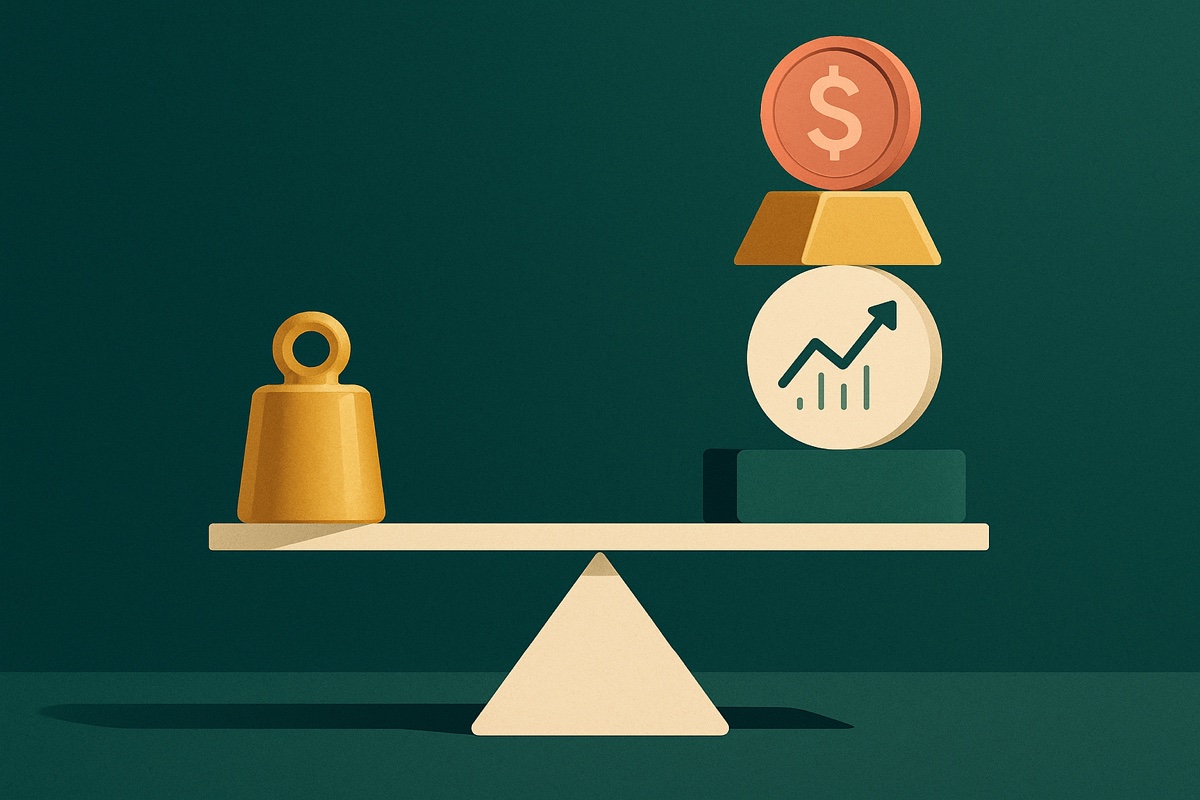
Whatever route you choose, gold works best as a portion of a diversified portfolio, not the core of it. Many advisers suggest keeping gold to a modest slice of your overall investments, enough to add stability and act as a hedge, without crowding out growth assets like equity. Think of gold as ballast, not the engine.
A sensible way to use it
A practical approach many people take: use digital gold to start and to accumulate in small amounts, building the habit and the holding gradually. If your gold investing grows large or becomes long-term, you can shift toward gold ETFs for lower costs. That way you get digital gold’s convenience early and cost efficiency later.
Frequently asked questions
Is digital gold a safe investment?
The gold itself is real and stored in insured vaults, but digital gold is not directly regulated by SEBI or the RBI. Choosing a reputable provider is important. It carries the usual gold price risk, like any gold investment.
Does digital gold give good returns?
Its returns simply track the price of gold, minus the 3 percent GST and buy-sell spread you pay. Over the long term it moves with gold prices; it pays no interest or dividend.
Is digital gold better than a gold ETF?
For small, convenient buying, digital gold is easier. For large or long-term investing, gold ETFs are usually more cost-efficient, with no purchase GST and low fees, though they need a demat account.
How is digital gold taxed?
Like physical gold. Gains on holdings of 24 months or less are taxed at your slab rate; gains beyond 24 months are taxed at a flat 12.5 percent. Tax rules can change, so verify the current position.
How much gold should I have in my portfolio?
Gold is best as a modest, diversifying portion of your investments rather than the majority. Treat it as a hedge, not your main growth engine.
Start small, the easy way
If convenience and starting small matter most to you, digital gold is a genuinely handy way to begin. With Jupiter, you can buy and sell Digital Gold in small amounts right from the app and grow your holding gram by gram, alongside your savings and other investments. Jupiter is the 1-app for everything money.
*Digital gold is not currently regulated by SEBI or the RBI. Prices, spreads, fees, GST, and tax rules vary and are subject to change. This article is general information, not investment advice. Consult a SEBI-registered adviser for guidance specific to your situation.*
Related reading
- What Is Digital Gold? A Beginner's Guide to Buying Gold Online in India
- Is Digital Gold Safe? How It's Stored, Insured, and Regulated
- Digital Gold vs Sovereign Gold Bonds vs Gold ETFs: The Best Way to Buy Gold in India
- Digital Gold vs Physical Gold: Which Should You Buy?
- Digital Gold vs a Gold Loan: Should You Buy Gold or Borrow Against It?
- 24K vs 22K Gold: What's the Difference and Which Should You Buy?