

Short answer: If you have no credit history, the most reliable way to get your first credit card is a secured credit card issued against a fixed deposit — approval is virtually guaranteed because your FD is the collateral, no income proof or credit score needed. Use it responsibly for 6–18 months and you’ll build a CIBIL score strong enough to qualify for a regular unsecured card.
Getting your first card can feel like a catch-22: banks want to see a credit track record, but you can’t build one without a card. Here’s how to break the loop.
Why is the first credit card so hard to get?
When you have no credit history — a “thin file” — a lender has no data to judge how you handle borrowing. It’s not that you’ve done anything wrong; you simply haven’t shown anything yet. Operating under cautious risk rules, banks tend to default to “no” when there’s no information to go on.
The solution is to start with a product designed for exactly this situation.
Route 1: A secured credit card (against a fixed deposit)
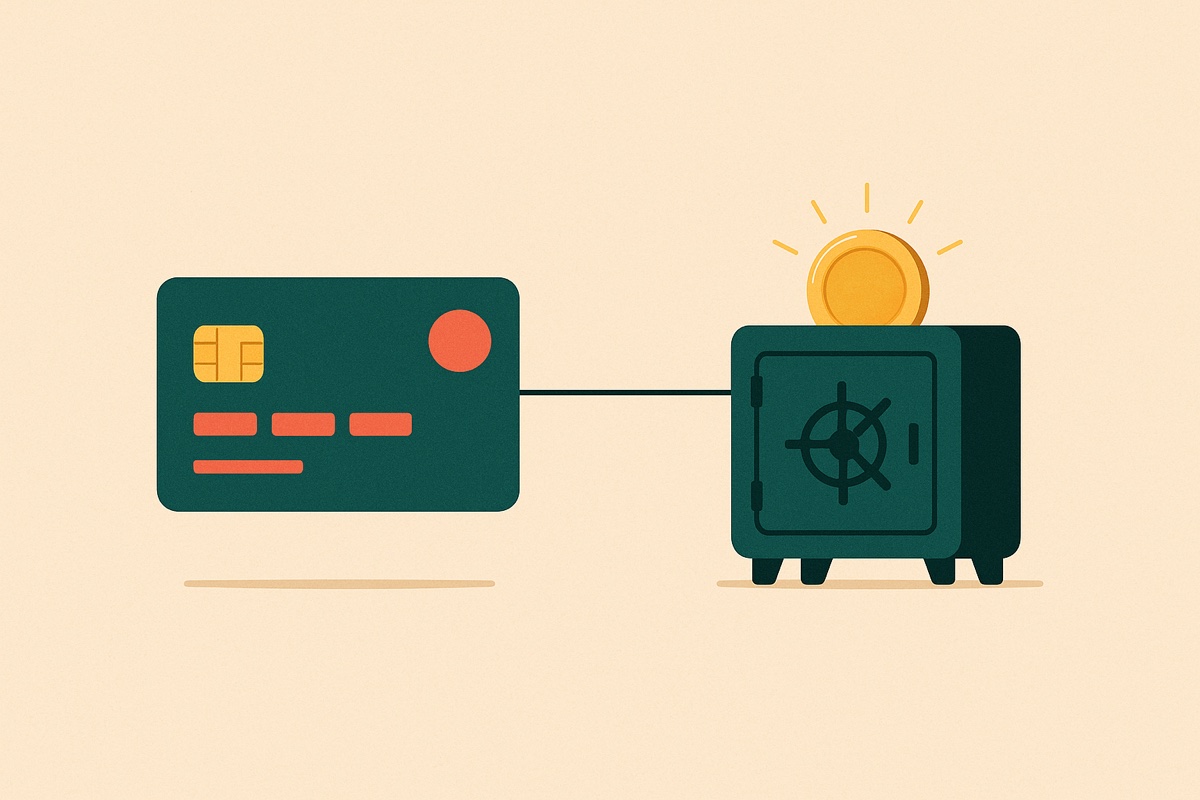
This is the most dependable path for beginners. You open a fixed deposit with the bank, and it issues a credit card backed by that FD.
Why it works so well:
- Near-guaranteed approval. Because your FD is collateral, the bank takes on little risk — so no credit history or income proof is usually required.
- Your FD keeps earning interest. The deposit continues to earn FD interest while it secures your card, so your money isn’t idle.
- It builds your score like any card. Secured card activity is reported to credit bureaus exactly like a regular card — so on-time payments build your history.
- Lower entry barrier. Minimum FD requirements are often modest, and some cards start from a small deposit.
How the limit works: your credit limit is typically 80%–100% of your FD amount. So a ₹40,000 FD might get you a limit of around ₹32,000–₹40,000. Want a higher limit later? Increase your deposit.
The trade-offs to know:
- Your FD is locked while you hold the card — you can’t withdraw it without closing the card.
- If you default, the bank can recover dues from your FD.
Many secured cards are issued on the RuPay network, which means you also get to link the card to UPI — handy for building history through everyday scans.
Route 2: An add-on (supplementary) card
If a family member has a healthy primary credit card, they can request an add-on card for you. It runs on their credit line, and responsible use can help you get comfortable with how cards work. Note that the primary cardholder is responsible for the dues, and the credit-building benefit flows primarily to them — so this is more of a stepping stone than a full solution.
Route 3: An entry-level unsecured card
A few issuers actively underwrite new-to-credit applicants. If you’re salaried with a few months of consistent salary credits, some banks will approve an entry-level unsecured card even with no score — often looking at your income and banking pattern instead. If you bank with an institution where your salary lands, that existing relationship can work in your favour.
How to build your credit score once you have a card
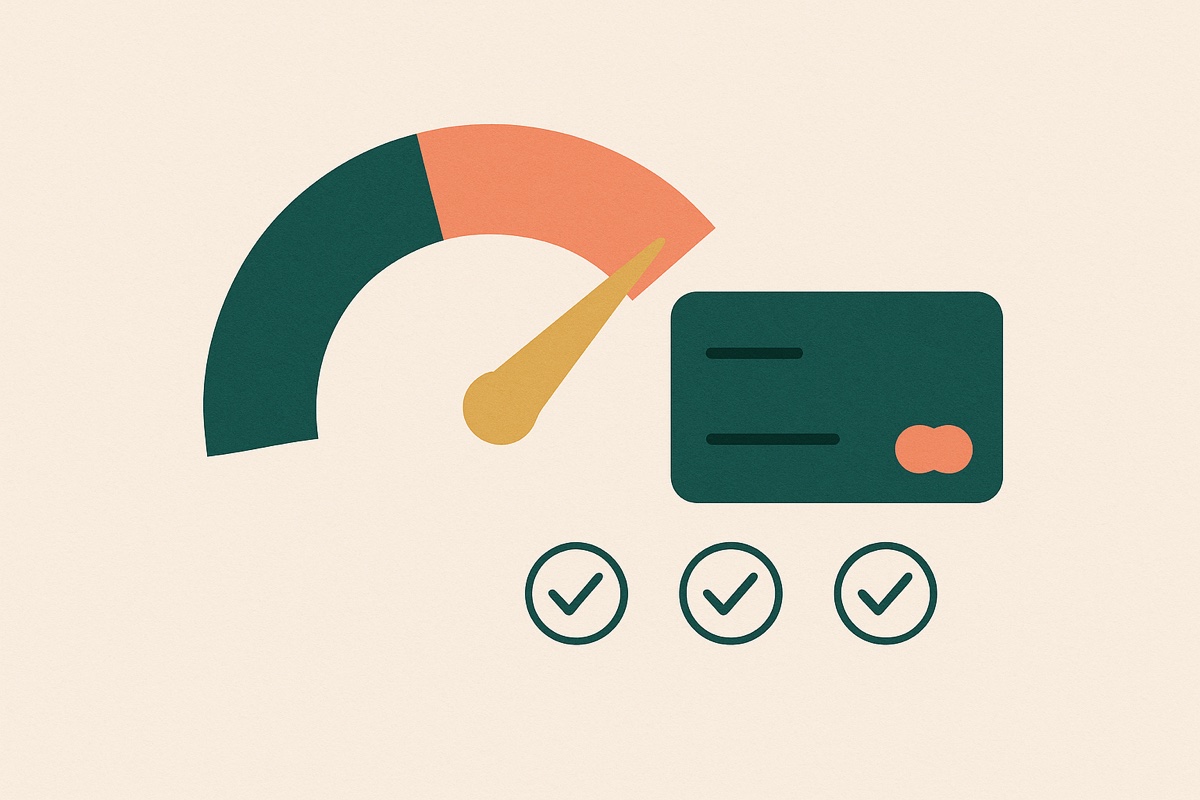
The card is just the tool. Your habits build the score. Do these consistently:
- Pay the full amount due, every time. Payment history is the single biggest factor in your score. Never pay just the minimum as a habit.
- Keep utilisation under 30%. If your limit is ₹40,000, try to stay below ₹12,000 outstanding at statement time.
- Use it regularly, but modestly. A few small, planned spends each month — repaid in full — is the ideal pattern.
- Don’t apply for several cards at once. Each application is a hard enquiry; a cluster of them looks risky.
- Check your credit report after a few months to confirm your activity is being reported correctly.
With clean usage — zero late payments and low utilisation — a new-to-credit user can typically build a healthy CIBIL score over roughly 12–18 months, which is usually enough to qualify for a regular unsecured card. At that point, a secured card has done its job.
Mistakes that set first-timers back
- Application spam. Applying to five cards hoping one sticks. Each rejection adds a hard enquiry and lowers your score.
- Paying only the minimum. It keeps you “current” but leaves a costly balance revolving — and defeats the purpose of building healthy habits.
- “Settlement” shortcuts. Settling a due for less than owed leaves a long-lasting negative mark on your bureau record. Avoid it.
- Maxing out the limit. High utilisation drags your score down even if you pay on time.
What documents will you need?
For most first cards, keep these ready: PAN card (mandatory), Aadhaar (identity/address), a recent photo, and — for unsecured cards — income proof such as a salary slip or ITR and a bank statement. For a secured card against an FD, income proof usually isn’t needed, since the deposit is your security. You’ll generally need to be 18 or older and an Indian resident.
Frequently asked questions
Can I get a credit card with no credit history? Yes. A secured credit card against a fixed deposit is issued with virtually guaranteed approval and doesn’t require a prior credit score or income proof.
How much FD do I need for a secured credit card? It varies by issuer, but minimums are often modest. Your credit limit is usually 80%–100% of the FD amount.
Does a secured credit card build my credit score? Yes. Usage and payments are reported to credit bureaus just like a regular card, so responsible use builds your history.
How long until I can get a regular (unsecured) card? With clean usage — no late payments, low utilisation — many people build a sufficient score in about 12–18 months.
Will using a secured card lock my money forever? No. The FD is locked only while you hold the card. Once you upgrade to an unsecured card and close the secured one, your deposit is released.
Is a RuPay first card a good idea? Yes — a RuPay card can be linked to UPI, so you can build history through everyday QR-code payments, not just larger purchases.
Start building, the smart way
Your first card is the foundation of your entire credit future — so the goal isn’t just to get one, it’s to use it well. Once your score is established, a lifetime-free everyday card like the Jupiter Edge+ RuPay Credit Card lets you keep building history through UPI while earning cashback. Download the Jupiter app to check your eligibility.
*Eligibility, minimum FD amounts, credit limits, and features vary by issuer and are subject to change. This article is general information, not financial advice. Always read the card’s terms before applying.*
Related reading
- What Is a Credit Score (CIBIL Score) and How Is It Calculated?
- Credit Card Charges Explained: Every Fee You Should Know Before You Apply
- Debit Card vs Credit Card: Which Should You Use and When?
- How to Maximise Your Credit Card Rewards (and Avoid Common Mistakes) — 2026