

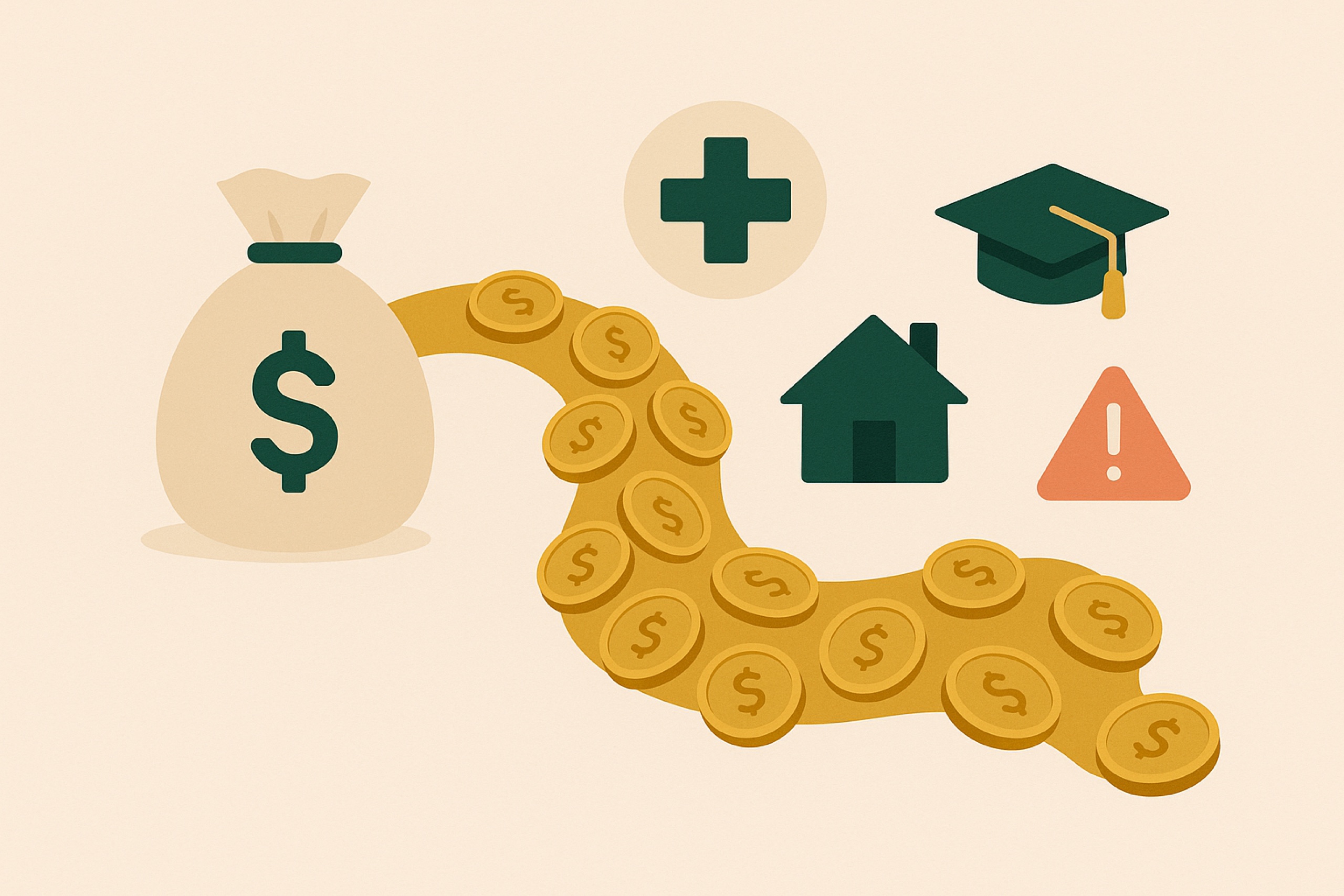
Short answer: A personal loan is unsecured and flexible, so you can use it for almost any legitimate need — the most sensible uses are medical emergencies, debt consolidation, essential home repairs, education, and planned big expenses like a wedding. The uses to avoid are speculative investing, luxury you can’t afford, and covering routine monthly bills, because these can trap you in a cycle of debt.
Here’s how to tell a smart use from a costly one.
Why a personal loan is so flexible
Unlike a home loan or car loan, which must be used for a specific purpose, a personal loan is unsecured — you don’t pledge collateral, and lenders generally don’t restrict how you spend it (beyond excluding illegal or speculative activity). That flexibility is its biggest strength, and also the reason it needs a little discipline.
The right question isn’t “can I use it for this?” It’s “should I?” A good rule: borrow for things that solve a real problem or build lasting value — not for things that lose value the moment you buy them.
Smart uses of a personal loan

1. Medical emergencies
When a health crisis hits and insurance doesn’t cover everything — diagnostics, follow-up care, or a procedure — a personal loan gives you fast funds without liquidating savings or investments at a bad time. Because instant loans disburse quickly, they’re well suited to genuine emergencies.
2. Debt consolidation
This is one of the smartest uses. If you’re juggling multiple high-interest debts — especially revolving credit card balances at 30%–48% a year — you can use a single personal loan (typically at a much lower rate) to pay them all off, then repay one predictable EMI. You reduce both your total interest and your mental load.
3. Essential home repairs or renovation
A leaking roof, urgent electrical work, or a renovation that improves your home’s value and livability can justify a loan — you’re investing in an asset you use every day.
4. Education and skill-building
Funding a course, certification, or degree that improves your earning potential is borrowing that can pay for itself over time. (For large amounts, compare against a dedicated education loan, which may offer better terms.)
5. Planned big-ticket life expenses
Weddings and other major planned events often involve lump-sum costs. A personal loan can spread these into manageable EMIs — as long as you borrow within your means and have a clear repayment plan.
6. Bridging a genuine cash-flow gap
For salaried people facing a short, temporary gap, a modest loan (or a salary advance) can tide you over — provided it’s a one-off, not a recurring pattern.
Uses to approach with caution — or avoid

1. Speculative investing
Borrowing to invest in stocks, crypto, or other volatile assets is risky: if the investment falls, you’re left repaying a loan on top of a loss. The loan’s interest is certain; the returns are not.
2. Luxury you can’t otherwise afford
Financing a lifestyle upgrade — an expensive gadget, a designer purchase, a lavish holiday — on a loan means paying interest on something that loses value immediately. If you can’t afford it in cash, a loan doesn’t change that; it just adds a cost.
3. Covering routine monthly expenses
Using a loan to pay everyday bills is a red flag that spending exceeds income. Borrowing here treats a symptom, not the cause, and can start a debt spiral. The fix is budgeting, not borrowing.
4. Repaying one loan with another (repeatedly)
Consolidation done once, strategically, is smart. But repeatedly taking new loans to service old ones signals deeper trouble and worsens your position each time.
A simple test before you borrow
Ask yourself three questions:
- Is this a need or a want? Needs and value-building expenses justify a loan far more than wants.
- Do I have a clear repayment plan? You should know your EMI and be confident it fits your budget before you sign.
- Is there a cheaper option? Savings, an employer advance, or a 0% EMI offer may beat a loan for some needs.
If you’re comfortable with all three answers, a personal loan is likely a sound choice.
Frequently asked questions
Can I use a personal loan for anything?
Largely yes — it’s unsecured and flexible, so lenders rarely restrict the purpose beyond excluding illegal or speculative use. But some uses are far wiser than others.
Is it a good idea to use a personal loan to pay off credit card debt?
Often yes. This is called debt consolidation. Swapping a high-interest revolving card balance for a lower-rate personal loan with a fixed EMI usually reduces both your interest cost and uncertainty.
Should I take a personal loan to invest?
Generally no. Borrowing to invest in volatile assets is risky — the interest cost is guaranteed while the returns aren’t, so a downturn leaves you repaying a loan on a loss.
What’s better for a wedding — savings or a loan?
Savings, where possible, since they cost nothing. A personal loan can help spread large planned costs into EMIs, but only borrow what you can comfortably repay.
Can I use a personal loan for a medical emergency?
Yes — this is one of the best uses, as instant personal loans disburse quickly and don’t require you to sell savings or investments at short notice.
Borrow for what matters
Used thoughtfully, a personal loan is a powerful tool for emergencies, consolidation, and value-building goals. When you have a genuine need and a clear repayment plan, you can check your eligibility for an instant personal loan of up to ₹5 lakh in the Jupiter app — with the amount, tenure, and EMI shown upfront so you can borrow with confidence.
Loan eligibility, amount, and terms depend on the lending partner’s assessment and are subject to change. Loans on Jupiter are facilitated in partnership with RBI-registered NBFCs. This article is general information, not financial advice. Please borrow responsibly.
Related reading
- Personal Loan vs Credit Card: Which Is Cheaper to Borrow From?
- How Is Your Personal Loan EMI Calculated? (And 5 Ways to Reduce It) — 2026
- Documents Required for a Personal Loan in India (and How to Get Approved Faster) — 2026
- How Much Personal Loan Can You Get? Understanding Eligibility and FOIR