

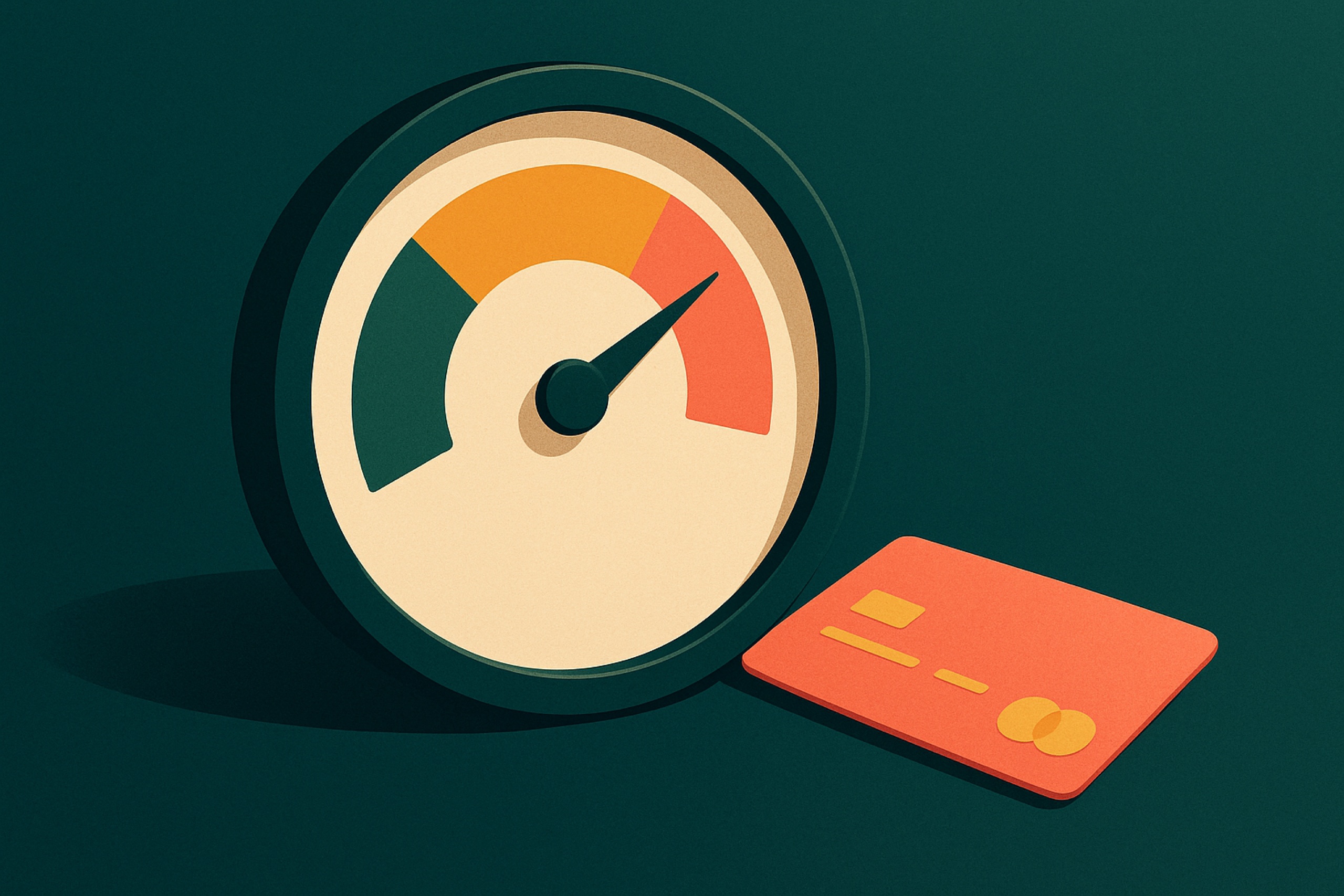
Short answer: Your credit utilisation ratio is the percentage of your total available credit limit that you are currently using. It is one of the biggest factors in your credit score, and the widely used guideline is to keep it below 30 percent. Lower is better. You reduce it by paying down balances, paying before your statement date, or increasing your credit limit.
If your credit score has stalled despite paying on time, high utilisation is often the hidden reason. Here is how it works.
What is the credit utilisation ratio?
Your credit utilisation ratio is simply how much of your available credit you are using, expressed as a percentage:
Credit utilisation = (total outstanding balance divided by total credit limit) times 100
For example, if your credit cards have a combined limit of 1,00,000 and you are carrying a balance of 40,000, your utilisation is 40 percent. Lenders look at both your overall utilisation across all cards and your utilisation on each individual card.
Why does it matter so much?
Credit utilisation is one of the most heavily weighted factors in your credit score, second only to your payment history. The reason is behavioural: someone using a large share of their available credit may be over-reliant on it, which lenders read as higher risk. Someone using only a small share looks comfortably in control.
This is why you can pay every bill on time and still see your score held back. On-time payments protect your payment history, but a consistently high balance keeps your utilisation high, and that drags the score down.
The 30 percent rule
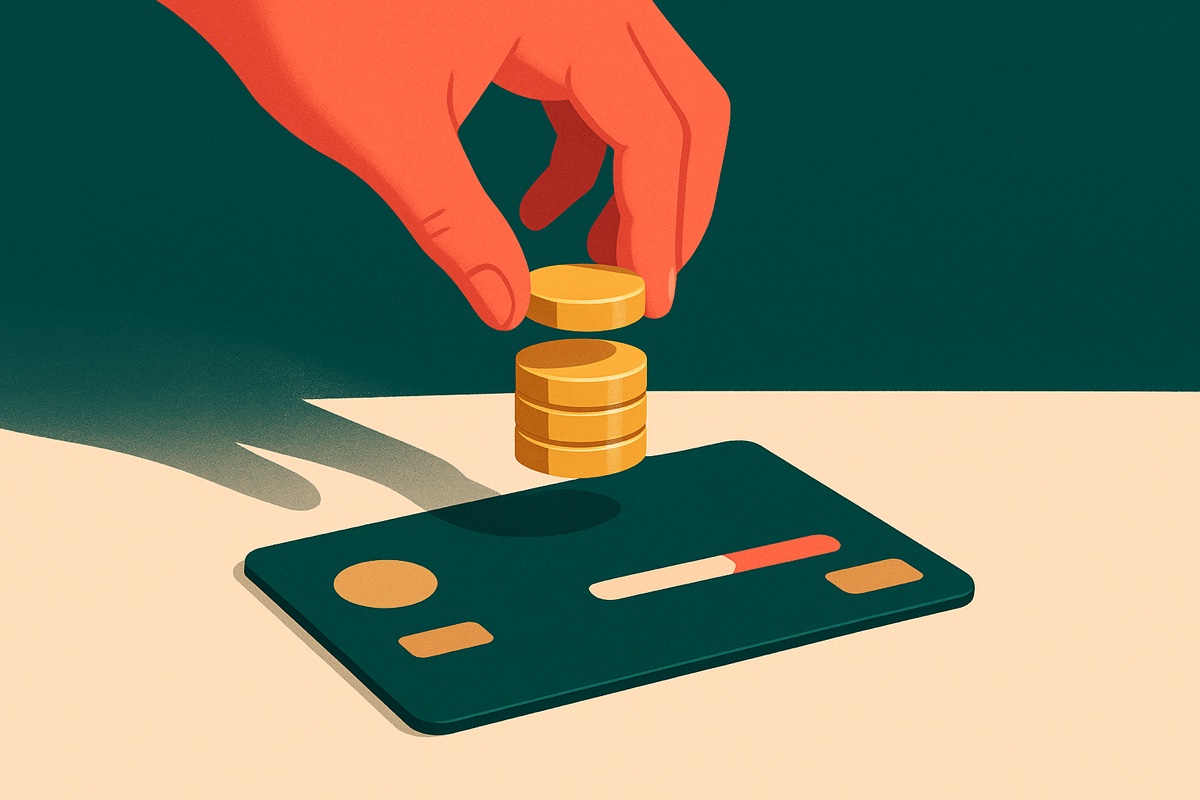
The common guideline is to keep your credit utilisation below 30 percent. So on a 1,00,000 limit, try to keep your outstanding below 30,000. It is a rule of thumb rather than a hard cliff, and the truth is simple: lower is better. People with the strongest scores often keep utilisation in the single digits.
Crucially, what matters is your balance on the statement date, because that is the figure reported to the credit bureaus. You can spend more than 30 percent during the month and still report low utilisation, as long as you pay it down before the statement generates.
How to lower your credit utilisation
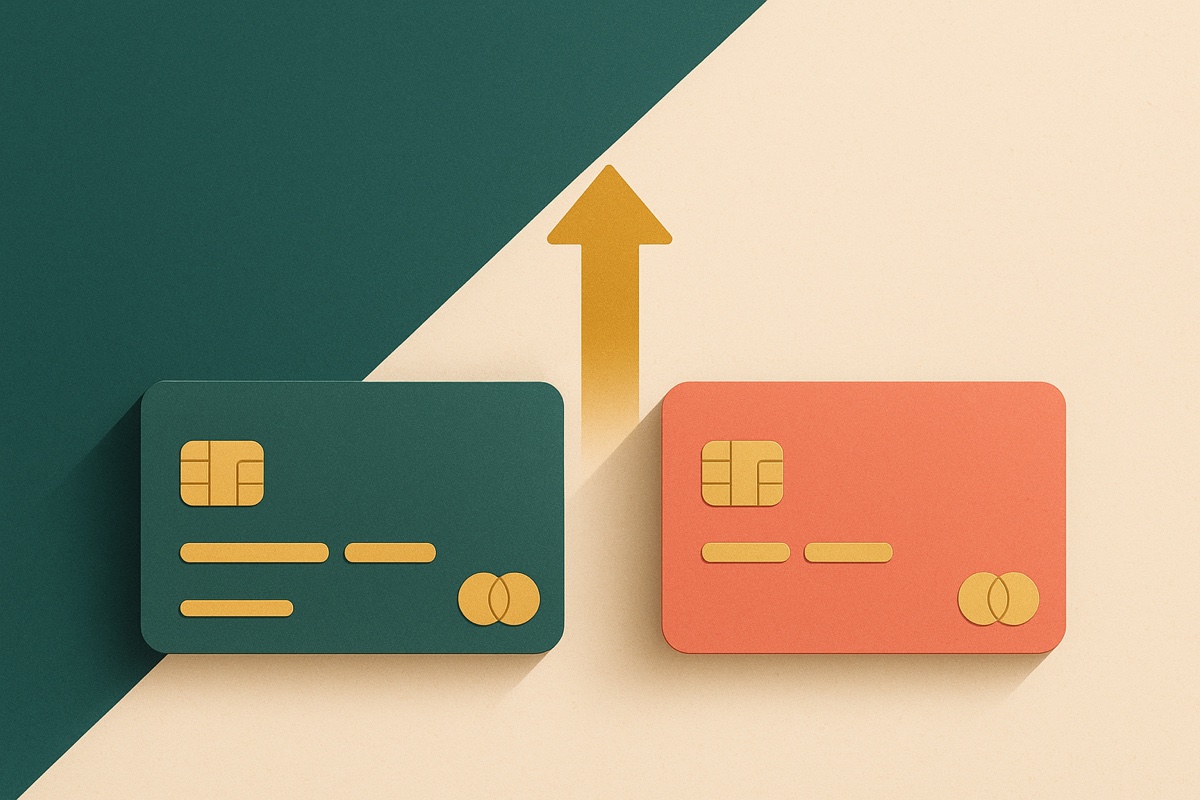
Several levers can bring your ratio down, some almost immediately:
- Pay down your balances. The most direct route. Clearing outstanding amounts lowers the numerator in the ratio.
- Pay before your statement date. Since the reported figure is your statement-date balance, paying early (or making a mid-cycle payment) can show a lower utilisation to the bureaus, even if you spend normally.
- Ask for a credit limit increase. A higher limit, with the same spending, automatically lowers your utilisation percentage. Just do not treat the extra limit as licence to spend more.
- Spread spending across cards. If you have more than one card, splitting spends keeps any single card from looking maxed out.
- Keep old cards open. Closing a card removes its limit from your total available credit, which can quietly push your overall utilisation up. Keep long-standing cards active.
A quick example of the effect
Imagine you have one card with a 50,000 limit and you regularly carry 30,000 on it, that is 60 percent utilisation, high enough to weigh on your score. Get a second card with a 50,000 limit, and your total limit becomes 1,00,000. The same 30,000 balance is now 30 percent utilisation. Nothing about your spending changed, but your ratio halved, simply because your available credit grew.
Frequently asked questions
What is a good credit utilisation ratio?
Below 30 percent is the common guideline, and lower is better. Many people with excellent scores keep it in the single digits.
Does credit utilisation affect my credit score a lot?
Yes. It is one of the most heavily weighted factors, second only to payment history. High utilisation can hold your score back even if you pay on time.
How can I lower my credit utilisation quickly?
Pay down balances, make a payment before your statement date so a lower figure is reported, or request a credit limit increase. Spreading spends across cards also helps.
Does paying my bill in full mean my utilisation is zero?
Not necessarily. What is reported is your balance on the statement date. If you pay after the statement generates, the earlier balance may still be reported. Pay before the statement date to report lower.
Should I close a credit card I do not use?
Often no. Closing it removes that card’s limit from your total available credit, which can raise your overall utilisation. Keeping it open usually helps your score.
Keep your utilisation in check
The easiest way to manage utilisation is to see your spending and limits clearly, in real time. The Jupiter Edge+ RuPay Credit Card shows your balance, limit, and every transaction in the app, so you can pay down or time your spends before the statement date and keep your ratio healthy. Jupiter is the 1-app for everything money, built to help your credit score work for you.
*Credit scoring factors and their weightings vary by bureau. This article is general information, not financial advice. Card features are subject to change; refer to the Jupiter app for current terms.*
Related reading
- What Is a Credit Score (CIBIL Score) and How Is It Calculated?
- How to Get Your First Credit Card in India — Even With No Credit History
- Credit Card Charges Explained: Every Fee You Should Know Before You Apply
- Debit Card vs Credit Card: Which Should You Use and When?
- RuPay vs Visa vs Mastercard: Which Credit Card Network Should You Choose?