

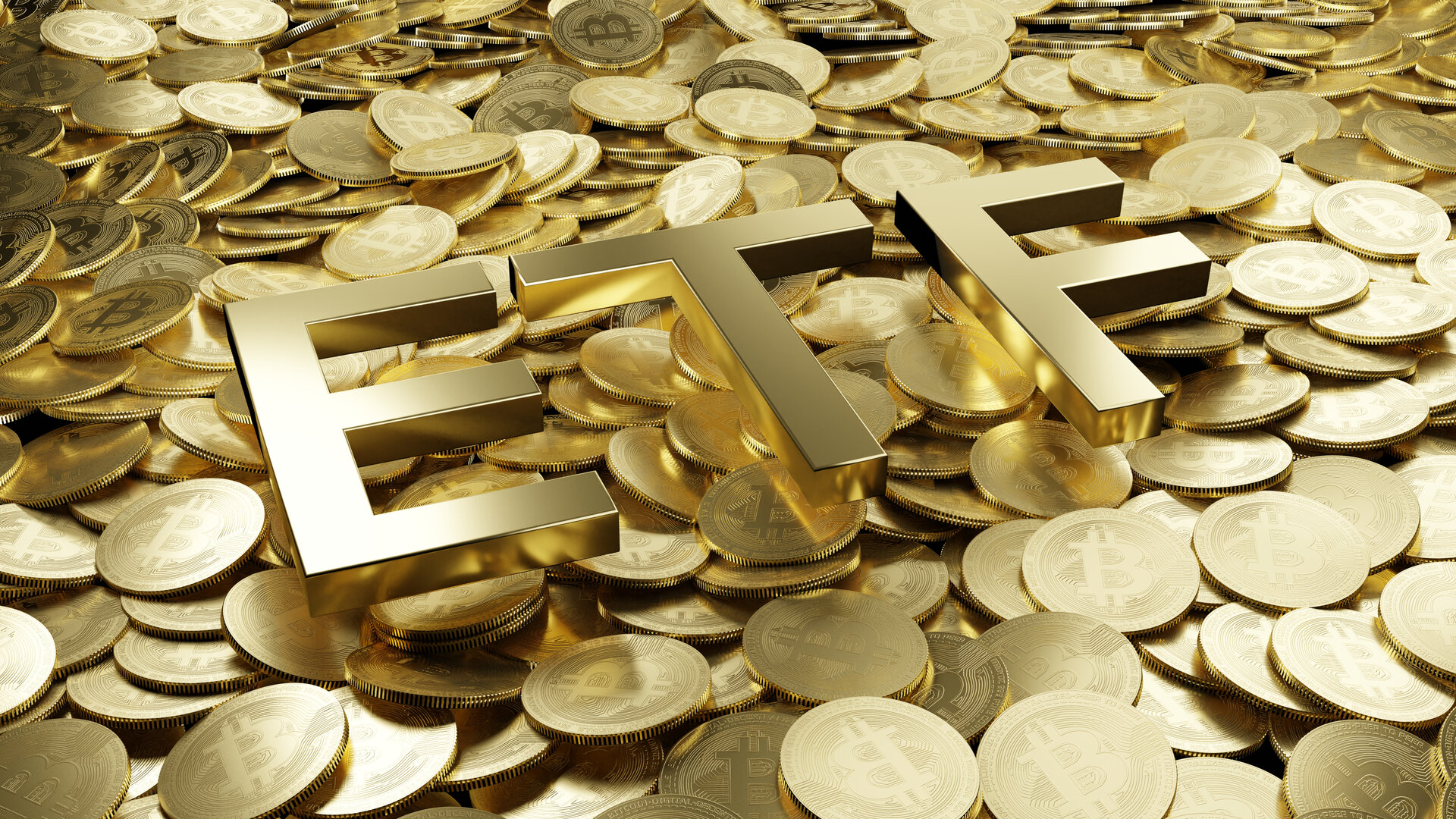
A Gold Exchange-traded fund is a novel way to invest in gold without buying physical gold. Gold ETF allows investors to buy or sell gold on an exchange. Essentially what is a gold ETF is investing in the yellow metal through an exchange.
Each unit of the gold ETF scheme represents1 gram of gold of the highest purity, and the unit’s price tracks the price of the gold. So the amount of investment in gold ETF means investment in the corresponding weight of gold.
Are you still wondering what is gold ETF?
Well, it is a passive investment based on gold that invests in physical gold and supports gold prices.
In other words, gold ETFs are units that represent physical gold, and one can trade them on an exchange like any company’s stock. One unit of gold ETF represents 1 gram of gold and is backed by actual gold of the highest purity (99.5 parts)
The first gold ETF was launched in India in 2007, and now almost all asset management companies have their own gold ETFs. Traditionally, gold has been an investor favourite both in India and internationally.
Gold is considered a store of value and hedge against inflation, and the investment in ETF conserves these properties, in addition to the convenience of holding the precious metal in electronic form.
Why Should You Invest in Gold ETFs?
Investing in a gold ETF will diversify your portfolio, providing you with the benefits of investing in a different asset class, i.e., gold. In addition, it will come under passive investment and can constitute a defensive portion of your portfolio.
Additionally, investment in gold is considered a hedge against inflation and sudden market fluctuations. The same holds for gold ETFs also. Investors negatively correlate the price of gold with significant currencies like the US dollar, and a fall in the US dollar can increase gold prices. Therefore, investors can hedge their exposure to the US dollar by investing in gold.
Each unit of gold ETFs represents one gram of gold of the highest purity (99.5% pure). The fact makes it suitable for long-term investment, whether the investor is looking for a one-time lumpsum investment or making smaller periodic investments.
Advantages of Investing in a Gold ETF
a. Purity: Purity can be considered a given factor. Each unit of gold ETF represents 1 gm of gold of the highest priority.
b. Convenience: As opposed to physical gold, here you would be holding the gold in dematerialized form. Keeping gold in electronic form saves a lot of hassle of storage, like security and handling.
c. Ease of trading: You can buy or sell gold ETF units from your Demat account at the click of a button. Gold ETFs are much easier to liquidate in the market.
d. No loads: There are no entry or exit loads in the gold ETFs. It means there is no deduction of any amount from your investment at the time of investment or during withdrawal.
e. Tax benefits: Long-term investments in gold mutual funds are taxed at 20% after indexation. The long-term implies investment for more than three years.
f. Pledging: One can pledge gold ETF units as collaterals for obtaining loans.
Should You Invest in Gold ETF
One can say that Gold ETFs are suitable for investors looking to take advantage of the long-term appreciation in gold prices. Investment in gold ETF means investment in gold in its purest form.
In addition, gold ETFs are ideal for investors who do not want to invest in physical commodity gold. Gold ETFs still allow them to take advantage of rising gold prices by trading it on the exchange. Gold ETFs provide the opportunity to gain market exposure to the price and performance of the precious metal.
Gold-based exchange-traded funds have given good returns in the last few years. This fact makes them a perfect investment option for conservative investors looking to invest for the long term.
The expenses in gold ETFs are in the form of brokerage up to 0.5 to 1%, making them a cheaper investment option than other mutual fund schemes. It is advisable to keep the investment in Gold ETF limited to 5-10% of your portfolio to maintain the balance of risk and return in your portfolio.
How to Invest in Gold ETFs
Investing in gold ETF is relatively simple; you must have a Demat and trading account with a broker. One can open Demat and trading accounts by providing essential KYC documentation like PAN and proof of address.
Once the account is active, you may select the gold ETF to invest in. The units will credit to your Demat account. When you wish to redeem, you will receive cash equivalent to the value of gold.
Taxation on Gold ETF
The capital gain on selling units of gold ETF will be taxed in the same way as the physical gold. If you sell the units after 36 months, the long-term capital gain will be taxed at a rate of 20% with indexation.
If you sell the units before 36 months, there will be an incidence of short-term capital gain tax. The capital gain will be added to the investor’s income and taxed as per the slab.
Factors One Needs to Analyse Before Investing in Gold ETFs
Ideally, the returns of all the gold ETFs should be the same as they are all based on the price of pure gold. However, the returns are different due to the different strategies adopted by the fund managers.
Gold ETFs are a passive investment where the fund manager does not have to put much effort into portfolio management. Therefore, the fund management charges are low, and the fund’s total expense ratio is between 0.5% and 1%. The brokerage and storage fee you will pay depends on your choice of asset management company.
The following points must be kept in mind when investing in gold ETFs:
- Past performance: One should consider a minimum of 3 to 5 years of data on the fund’s past performance before making a decision.
- Liquidity: Since the gold ETFs are traded on the exchange, one should prefer funds with higher trading volumes over those with lower trading volumes. As a result, some ETFs might not experience volatility. In contrast, others may see more price movement based on supply and demand.
- Tracking error: Since the fund tracks the price of the gold, the returns of the fund must mirror the performance of the gold; any difference in the performance is termed a tracking error. The tracking error can be due to fund manager strategies or some charges levied by the fund. It would help if you looked to buy the fund with the lowest tracking error.
Limitations
Let us look at some of the limitations of investing in gold ETFs
- Non-tangible: The investment in gold is in electronic form, which an investor cannot access in the physical form. However, they can convert the units into cash or gold at withdrawal.
- Performance-based on gold: Gold is an internationally traded asset, and its performance depends on several factors beyond the control of fund managers. Therefore, investing a small portion of your total portfolio in gold is advisable so that sudden movements in gold prices do not impact your portfolio.
Conclusion
Suppose you are foreseeing an expense on gold in the future. Then, you may start investing today by investing in gold ETF instead of physical gold in the form of coins, bars, or jewellery.
Moreover, even if you are not anticipating an expense in gold, investing a small portion of your portfolio in gold ETF will provide you with a hedge against inflation.

out-of-the-world
banking experience