

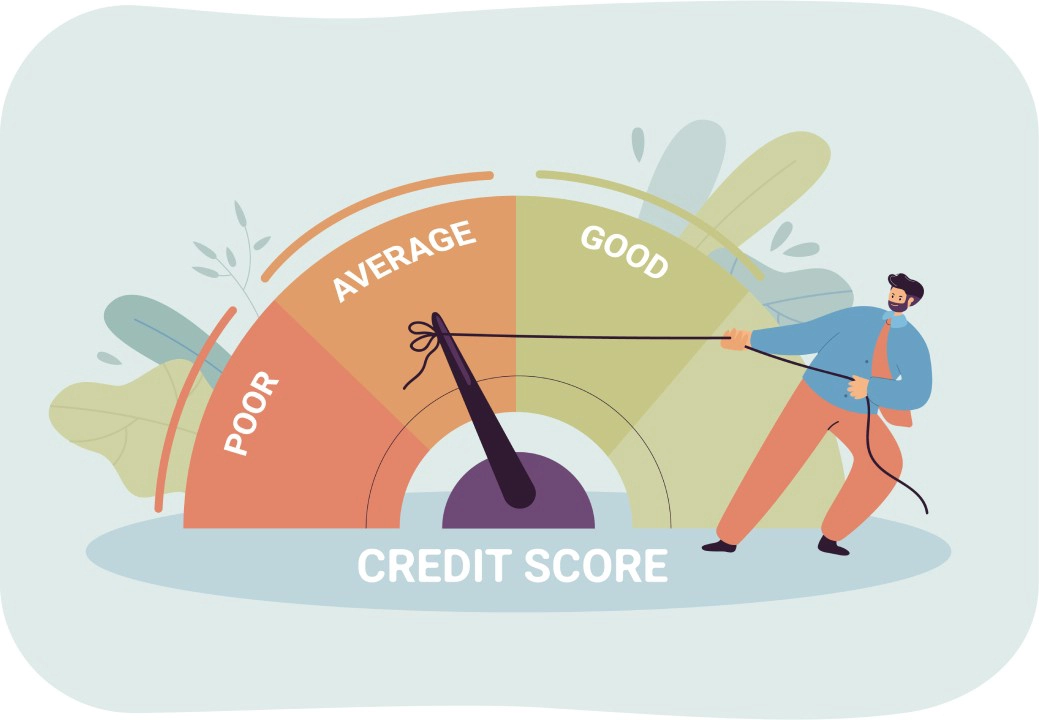
Getting a credit card for a low CIBIL score can feel tough, but it’s definitely doable. Whether you’re just starting out with credit or trying to fix a low score, there are options for you. Many banks look for high credit scores, but there are cards made for those with poor or limited credit. Secured cards and low-fee options are out there, and picking the right one can help improve your score over time. In this guide, we’ll dive into some of the best credit card choices for low CIBIL scores and practical steps to rebuild your credit score.
Why Choose a Credit Card for Low CIBIL Score?

A low CIBIL score shouldn’t stop you from accessing credit. The right card can help you rebuild trust with lenders while protecting your finances. Cards designed for low-score applicants come with realistic limits, transparent fees, and built-in credit-building features. Using one responsibly—paying bills on time, keeping balances low—can gradually improve your score and unlock better cards in the future.
What is a Poor, Bad, or Low CIBIL Score?
A CIBIL score is a numerical representation of your creditworthiness, ranging between 300 and 900. The closer your score is to 900, the better it is, and it reflects your reliability in managing credit. However, if your score falls below 550, it is considered poor. This usually means you’ve had trouble with repayments or have a limited credit history, which can make it harder to get credit cards or loans. But don’t worry, scores in either range can be improved.
CIBIL Score Range
| CIBIL Score Range | Rating |
| 300-500 | Poor |
| 550-650 | Average |
| 650-750 | Good |
| 750-900 | Excellent |
Importance of CIBIL Score in Credit Card Applications
When you apply for a credit card, your CIBIL score is key in two main ways:
- Eligibility: Banks typically require a CIBIL score of 750+ to approve credit card applications. A lower score signals risk to lenders and can lead to rejection.
- Credit Limit: Your score directly affects the limit you’re offered. A high score demonstrates responsible repayment, unlocking higher limits. A low score often means a smaller limit or outright denial, though on-time payments can unlock increases over time.
Best Credit Cards for Low CIBIL Score
| Credit Card | Rewards & Benefits | Annual Fee | Interest Rate | FD Dependent | Joining Fee | Unique Features |
| IDFC WOW Credit Card | Lifestyle rewards | ₹0 | Variable | Yes | ₹0 | Free lounge access, dining discounts |
| Rupicard | Boosts credit score, FD-based limit | ₹0 | None (secured) | Yes | ₹0 | No credit score or income proof needed |
| OneCard | 5X rewards on top spending categories | ₹0 | 1.33% monthly | No | ₹0 | Metal card, app-based control, EMI conversion |
| SBI SimplyCLICK | Online shopping rewards | ₹499 | Variable | No | ₹499 | 10X rewards on select platforms |
| SBI Unnati | Simple cashback | ₹0 (4 years) | Variable | Yes | ₹0 | FD-linked, easy approvals |
| Axis Insta Easy | FD-based credit | ₹0 | Based on FD | Yes | ₹0 | Instant approval for Axis customers |
| Kotak Aqua Gold | Standard rewards | ₹0 | Standard | Yes | ₹0 | No joining fee |
| HDFC MoneyBack Plus | Cashback & rewards | ₹500 | Standard | No | ₹500 | Cashback on online spending |
If you have a low CIBIL score and are looking for credit card options, here are some cards that might be suitable. Many of these are secured by fixed deposits or come with minimal eligibility criteria. Check the above table for better understanding:
-
IDFC FIRST WoW Credit Card
Offers minimal eligibility requirements. Earn 4X reward points on spending ₹150 and enjoy a credit limit of at least 100% of your fixed deposit value. Plus, get a 1% fuel surcharge waiver.
-
Rupicard
Enjoy lifelong membership with no annual or initiation fees. Secure the card with a fixed deposit of INR 5,000 and benefit from a 6.5% interest rate. Additionally, earn 0.5% cashback on all transactions.
-
OneCard Credit Card
No joining or annual fees. Get 5X rewards on your top 2 spending categories each month and fractional reward points on other purchases.
-
SBI Advantage Plus Credit Card
A globally accepted card secured against fixed deposits with no specific CIBIL score requirement. Access up to 85% of your fixed deposit as your credit limit, make cash withdrawals from ATMs worldwide, and apply for add-on cards for family members. Convert transactions into EMIs through Flexipay. Annual renewal fee is Rs. 500, with no charges for add-on cards. Interest is 2.25% per month or 27% per annum, with late payment fees up to Rs. 750.
-
SBI Unnati Credit Card
Requires a fixed deposit of over Rs. 2.5 lakh. No annual fee for the first four years, with contactless transactions, cash withdrawals from global ATMs, and add-on cards for family. Convert spending into EMIs via Flexipay. After four years, the annual fee is Rs. 499. Interest rate is 2.50% per month or 30% per annum, with a minimum payment of 5% of the total outstanding amount.
-
Axis Bank Insta Easy Credit Card
Requires minimal documentation based on salary or fixed deposit. Offers a credit limit of up to 80% of your deposit, waives the 1% fuel surcharge, and allows full-limit cash withdrawals. No joining or annual fees, but the interest rate is 2.50% per month or 34.49% per annum, with late payment fees up to Rs. 700.
-
Kotak Mahindra Aqua Gold Credit Card
Secured against fixed deposits with a credit limit up to 80% of the deposit amount. Features include up to 48 days of interest-free cash, fuel surcharge waivers on transactions over Rs. 500, and railway surcharge waivers on IRCTC transactions. No joining or annual fees, and no charges for add-on cards. Interest rate is 2.99% per month (35.88% p.a.), with late payment fees up to Rs. 700 and an over-limit charge of Rs. 500.
-
HDFC Money Back Credit Card
Accessible with a salary, offering 2 reward points per Rs. 150 spent. Allows spending conversion into EMIs with SmartEMI and includes no liability for lost cards once reported. Joining and annual fees are Rs. 500 each, with no charges for add-on cards. Minimum amount due is 5% of the total outstanding, with late payment fees up to Rs. 750 and an over-limit charge of Rs. 500.
Factors to Consider When Choosing Credit Cards with a Low CIBIL Score
Here are some important factors to consider when applying for a credit card on low CIBIL score:
- A
Focus on low annual fees
Many credit cards for low CIBIL applicants come with annual fees. Look for cards that waive fees entirely or charge minimal amounts—every rupee counts when you’re rebuilding credit.
- B
Check the interest rate
Your interest rate (APR) matters far more than rewards when you’re rebuilding. A card with a lower interest rate saves you money on revolving balances, which is more valuable than cashback you might not earn right away.
- C
Read the fine print carefully
Don’t skip the terms. Look for late payment charges, foreign transaction fees, and penalty interest rates. One hidden fee can wipe out any benefit you were counting on.
Credit Card Options for Low or Bad CIBIL Score
If your CIBIL score is low, you may still have some options to consider:
-
FD-Backed Credit Cards
To obtain one, you need to maintain an FD with the bank that acts as collateral for your credit limit. Typically, the credit limit is around 60–70% of the FD amount. For example, an FD of ₹1 lakh might secure a credit limit of ₹60,000 to ₹70,000.
-
Co-signed/Add-on or Family Credit Cards
Add family members as additional cardholders to use their good credit history. This can help if you’re unable to get a card on your own, as the family member acts as a guarantor.
-
Apply for a Credit Card with Your Primary Bank
Most banks offer free credit cards to their customers, who have an established financial history with the bank. This makes it easier for the bank to assess creditworthiness and approve a card, even with a poor credit score.
-
Secured Credit Cards
Secured credit cards require an upfront deposit as collateral against the credit limit, typically equal to or higher than the deposit value. For example, IDFC FIRST Bank offers the FIRST WOW! card, which needs no income proof or credit history, making it accessible even for those with low or no credit scores. It can be secured against a fixed deposit with returns up to 7.5% p.a., providing an option for retirees or non-salaried individuals. Alternatively, Jupiter’s Edge CSB RuPay Credit Card offers flexible options for those rebuilding credit—check your eligibility without impact to your credit score.
-
High-Fee Unsecured Cards
Some cards come with higher fees but don’t require a deposit. Though they can be more expensive, they might be available despite a poor credit score. Using these responsibly can help improve your credit profile over time.
-
Smaller Bank Credit Cards
Regional or smaller banks may have more flexible criteria for approval.
How to Improve Your CIBIL Score
Improving your CIBIL score takes time, but with these strategies, you can make significant progress:
-
Set Reminders for Payments
Delays in EMI payments can result in penalty fees and a lowered credit score. Avoid this by setting reminders to make sure your EMIs are paid on time.
-
Maintain Older Credit Cards
The longer your credit history, the better. Don’t close old accounts, even if you don’t use them often.
-
Customise Your Credit Limit
Increase your credit limit to lower your credit utilisation ratio, which can enhance your score. However, avoid maxing out your credit limit.
-
Opt for Longer Loan Tenor
A longer loan tenor can lower your EMI amount, making it easier to make payments on time.
-
Avoid Excessive Debt
To maintain a healthy credit score, avoid taking multiple loans simultaneously. Instead, repay one loan before taking another. Multiple loans can suggest financial strain and lower your credit score, while successfully repaying a loan can improve it.
-
Check Your CIBIL Report for Errors
Occasionally, CIBIL might make errors in your report or delay updates, negatively impacting your score. Regularly checking your CIBIL report helps you spot and correct mistakes by submitting a dispute resolution form online.
-
Build Credit History
If you have little to no credit history, work on building it by borrowing a mix of secured and unsecured loans. This can improve your credit score and help you secure better loan terms in the future.
Want a credit card that fits all your needs?
Find your perfect match with our Edge CSB Bank RuPay Credit Card on Jupiter
Related Credit Card Blogs
Curious about credit cards beyond the basics? Our blog covers everything from maximizing rewards on everyday spending to understanding cash back structures that actually work for your lifestyle. We break down how to pick the right card for travel, shopping, or bill payments, plus real tips on managing multiple cards without the stress. Whether you’re building credit or optimizing existing cards, these guides help you make smarter financial moves with clear, no-nonsense advice tailored for professionals like you. You can also explore credit card eligibility requirements.